
Maori tattoo — known in te reo Maori as ta moko — is one of the most distinctive art forms in the world. Unlike decorative tattooing, ta moko is a sacred practice that encodes a person’s identity, ancestry, and social standing directly onto their skin. Each design is unique, functioning as a living document of who that person is and where they come from.
The word moko refers both to the tattoo itself and to the patterns used. Traditionally, these patterns were applied to the face and body using chisels made from albatross bone, creating grooves rather than simply marking the skin’s surface. The resulting texture was as meaningful as the design itself.
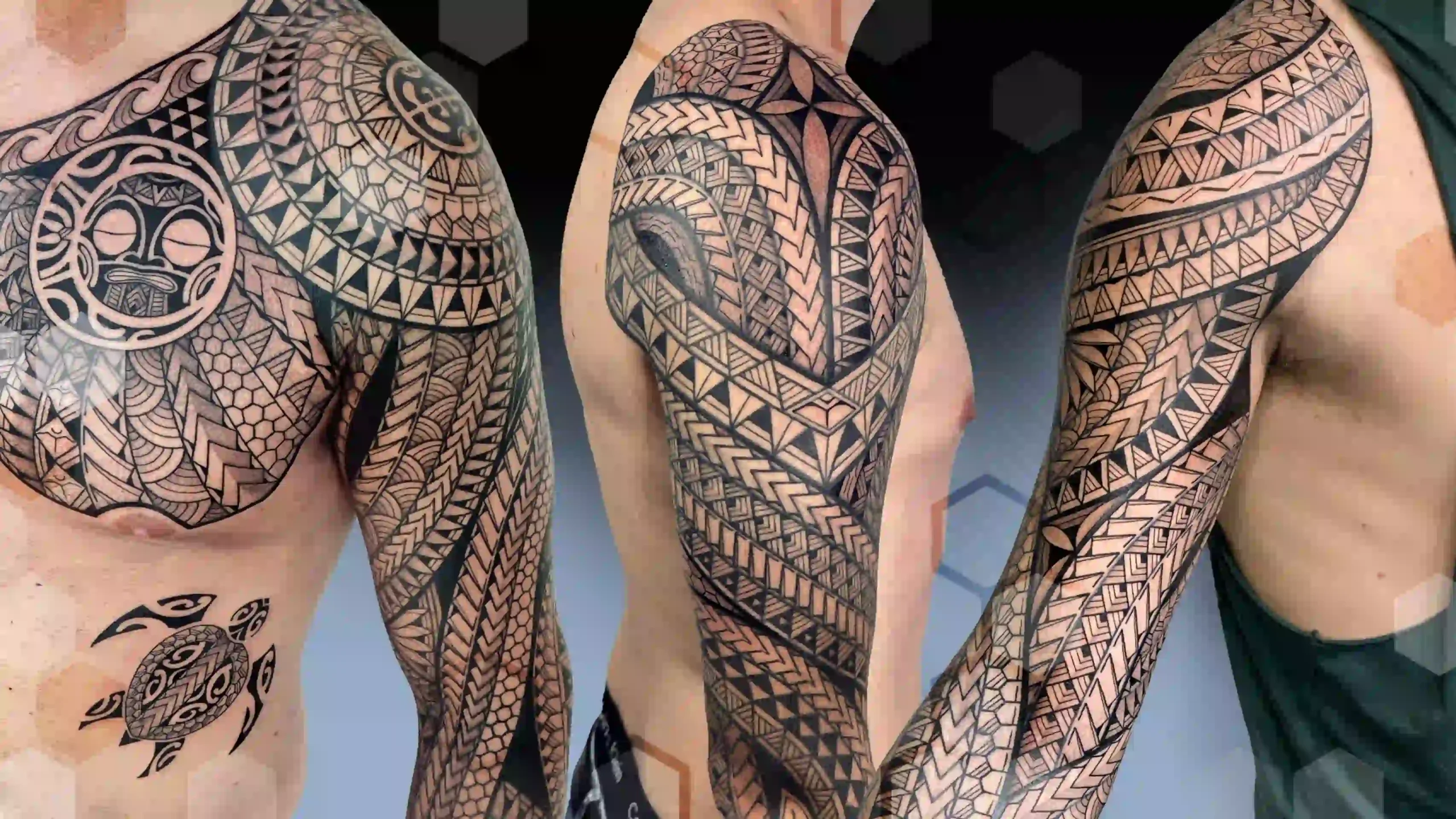
The History of Maori Tattoo
Ta moko has been practiced in Aotearoa New Zealand for centuries, brought by the ancestors of the Maori from their Polynesian homelands. Archaeological and oral evidence suggests the practice was well established by the time European explorers arrived in the late 17th century. Early European accounts describe Maori men and women with elaborately tattooed faces, and explorers such as Captain James Cook documented the practice in detail.
During the 19th century, colonisation disrupted many Maori traditions, and ta moko was among the practices that declined significantly. Christian missionaries and assimilation policies discouraged indigenous customs, and by the mid-20th century, ta moko had become rare. The late 20th century saw a powerful cultural revival, and ta moko has since reclaimed its place as an expression of Maori identity.
What Is Ta Moko
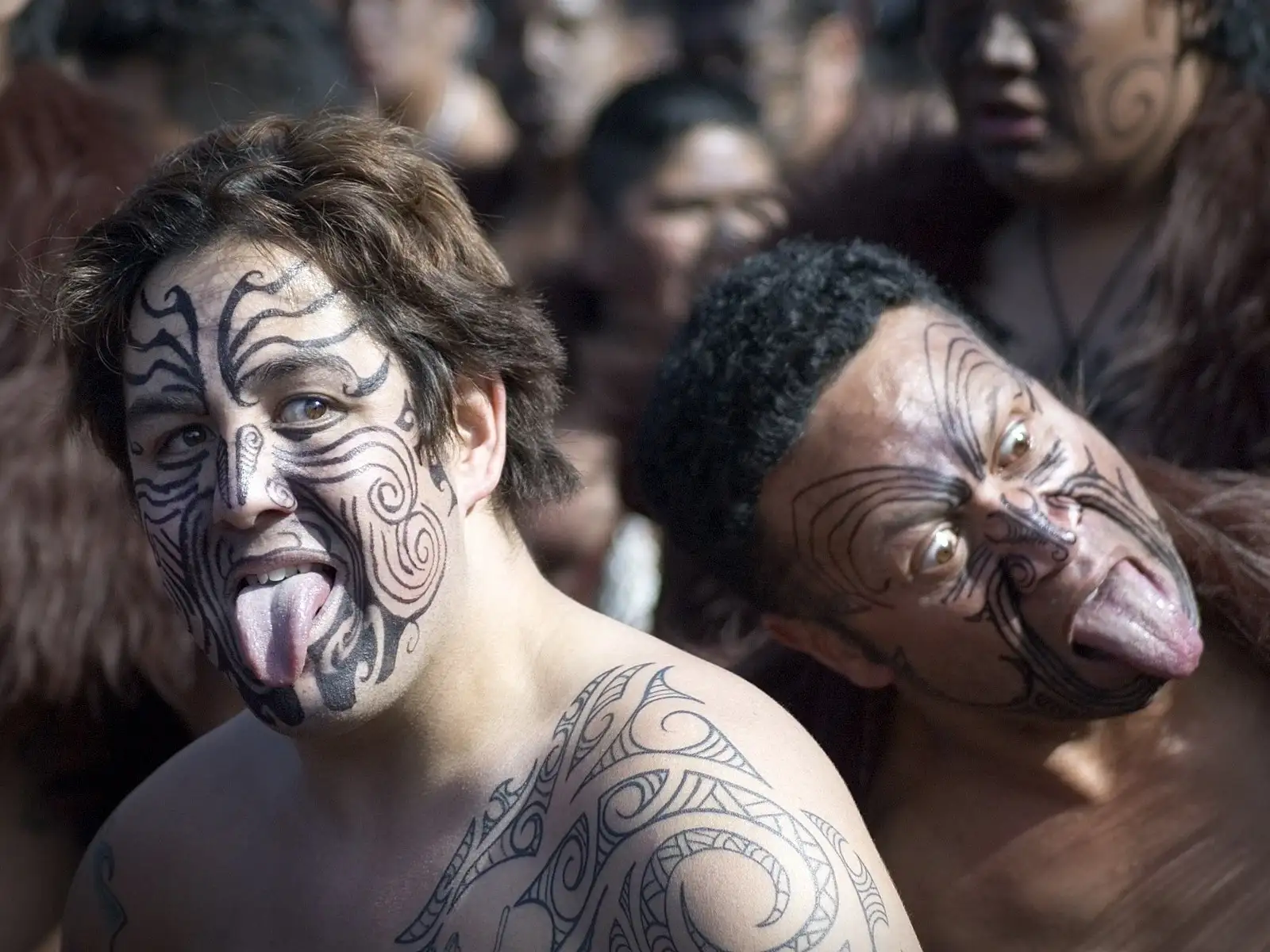
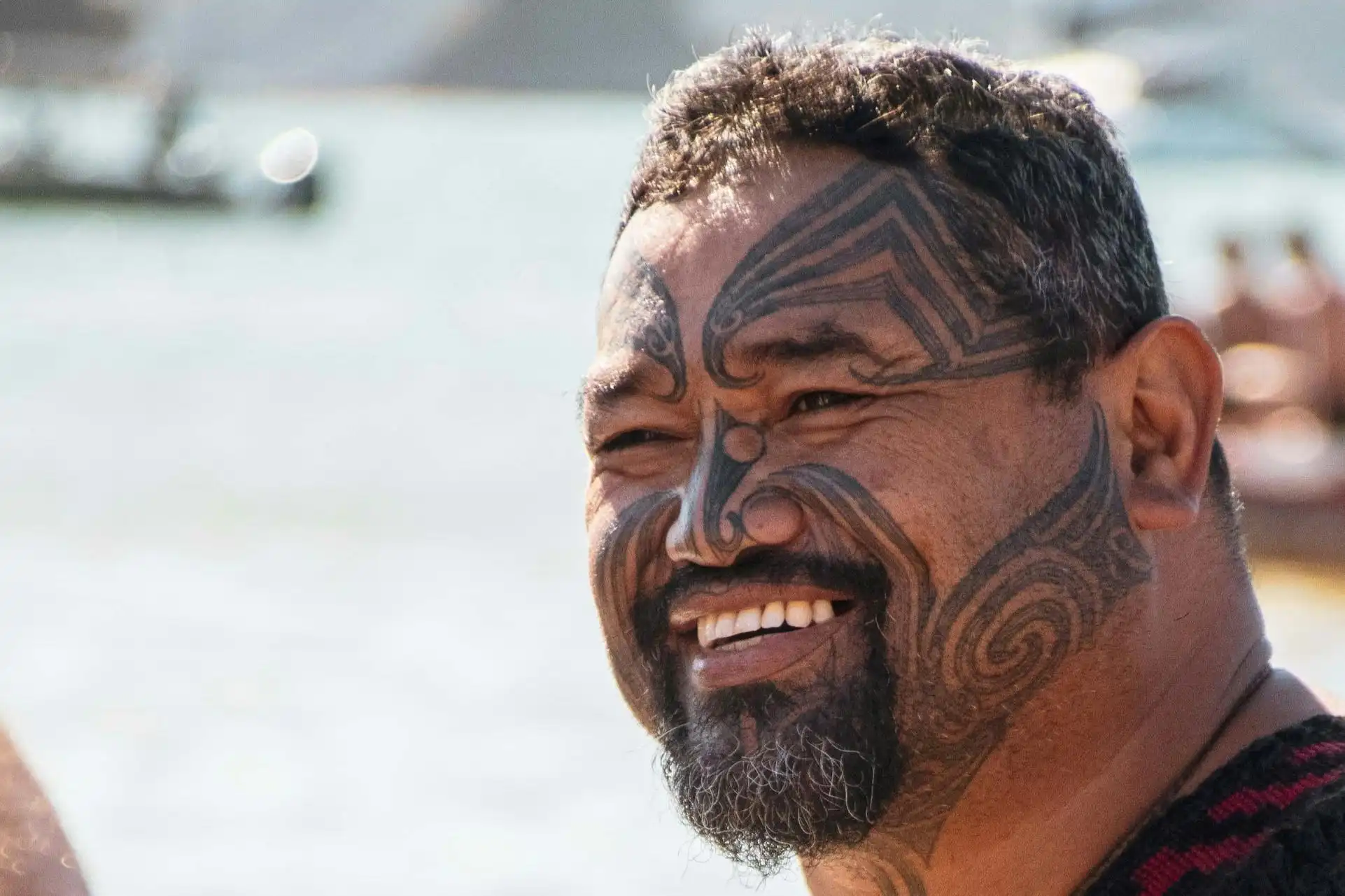
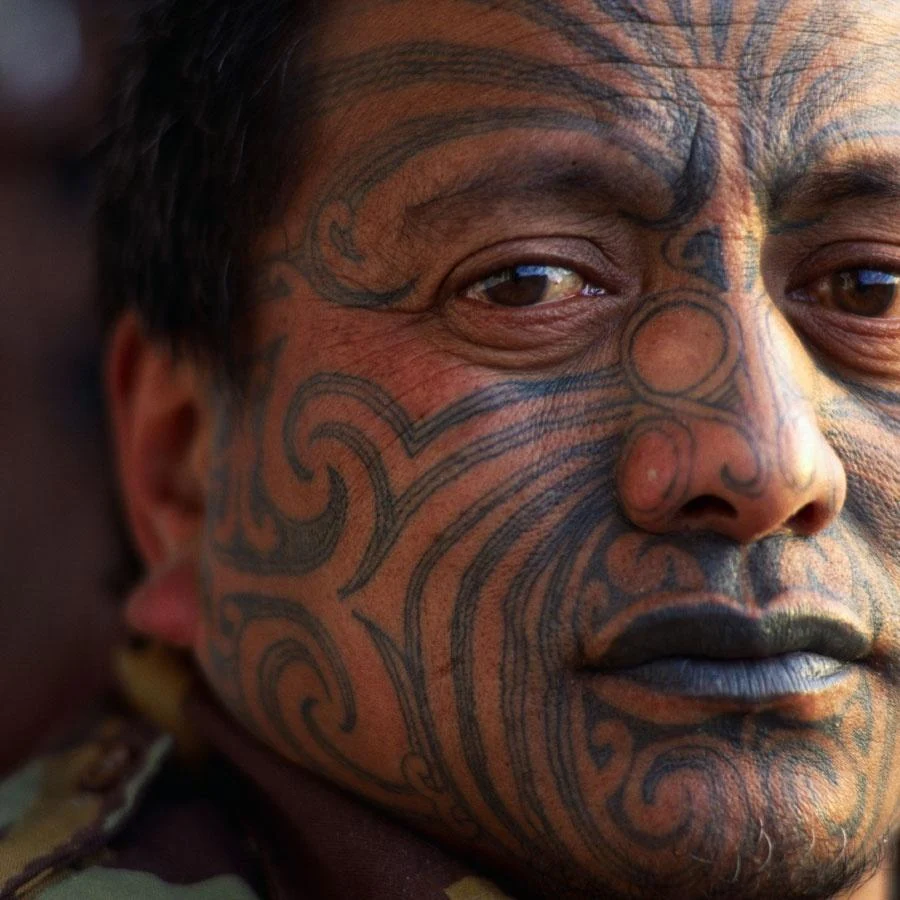
Ta moko is a form of genealogical record encoded in pattern. Every element of a moko design — the lines, spirals, and curves — communicates specific information about the wearer’s whakapapa (genealogy), their iwi (tribe) and hapu (subtribe), their achievements, and their place in the social hierarchy. Two people from different families will never have identical moko, because no two people share the same lineage.
Traditionally, the right side of the face represented the father’s genealogy and the left represented the mother’s. For men, full facial moko was associated with chiefly status and warrior rank. Women traditionally received moko on the chin and lips — a design called moko kauae — which signified their lineage and readiness for the responsibilities of adult life.
Maori Tattoo Meaning
The meaning embedded in a ta moko design operates on multiple levels. At the personal level, it identifies the individual — their name, their family, their tribe. At the spiritual level, it connects them to their ancestors and to the atua (gods) who presided over the art of tattooing. At the social level, it signals rank, achievement, and the roles they hold within their community.
The spiral patterns seen in moko are not decorative flourishes. They follow the contours of the face and body, echoing patterns found in nature — fern fronds, wave forms, the growth patterns of living things. This connection to the natural world reflects the broader Maori worldview, in which humans, nature, and the spiritual realm are always in relationship.
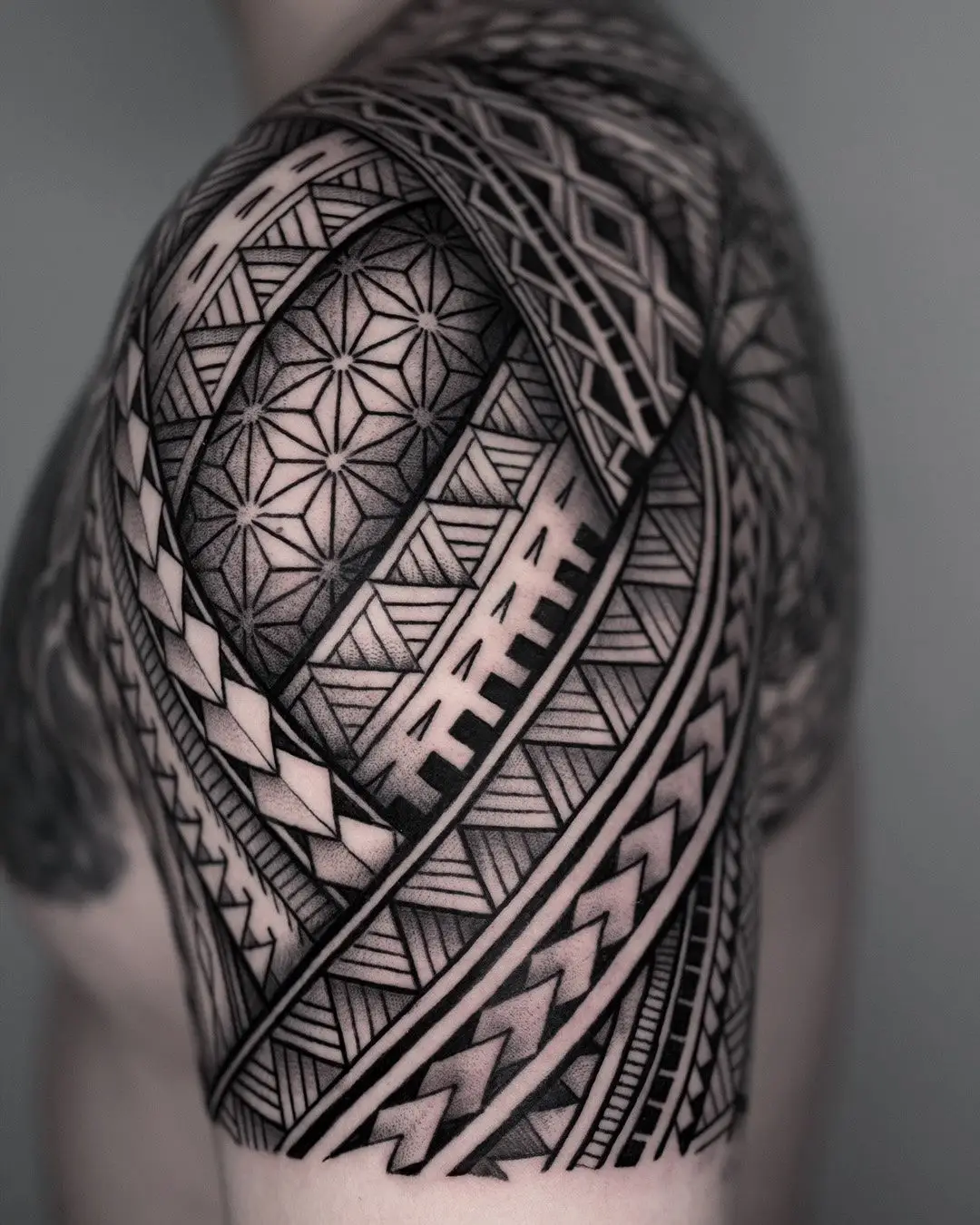
Maori Art and the Role of Ta Moko
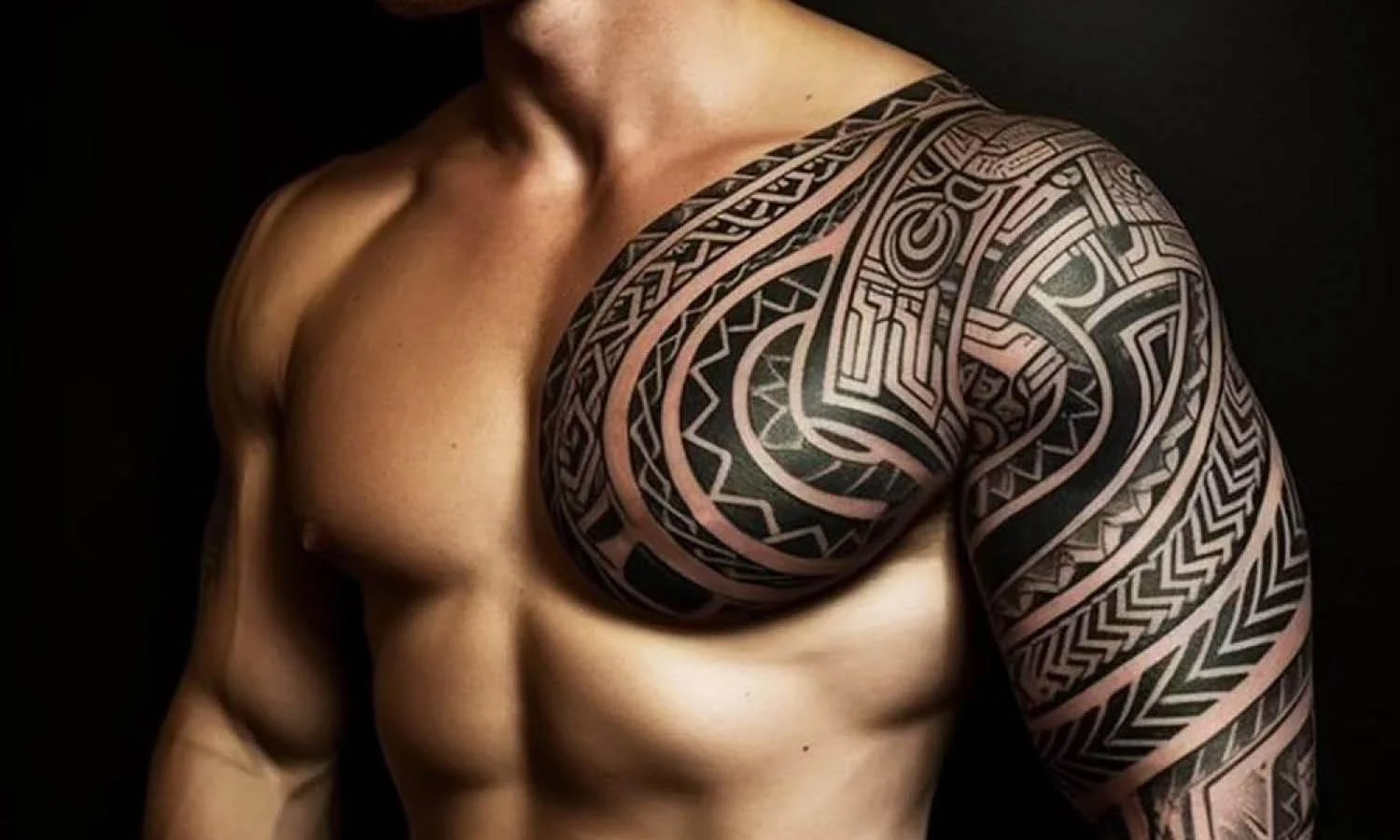
Ta moko sits within a broader tradition of Maori art that includes carving, weaving, and architecture. All these forms use pattern and symbol to communicate meaning across time. A carved meeting house tells the history of a tribe through its panels. A woven cloak identifies its wearer’s status and affiliation. Ta moko does the same thing — but on the body, in a form that cannot be taken off or lost.
The artist who applies ta moko is called a tohunga ta moko — a specialist with both technical skill and cultural knowledge. The process of receiving moko is itself a ceremony, not merely a physical procedure. The decision to receive moko is serious, discussed within the family, and undertaken with full awareness of what the marks will communicate for a lifetime.
Maori Tattoo Today
Today, ta moko is experiencing a genuine renaissance. Maori artists with deep cultural training are reviving the practice, and many Maori people are choosing to receive moko as a powerful act of cultural reclamation and identity. Seeing moko on public figures — politicians, artists, athletes — signals not the end of tradition but its continuation into the present.
At the same time, the global popularity of Maori-inspired tattoo art has raised important questions about cultural appropriation. Non-Maori people wearing moko-style designs — particularly facial designs — is widely considered disrespectful within the Maori community. The patterns of ta moko are not aesthetic choices. They belong to specific people, families, and tribes. Wearing them without that connection removes their meaning and dishonors the tradition they come from.
Ta Moko vs. Kirituhi
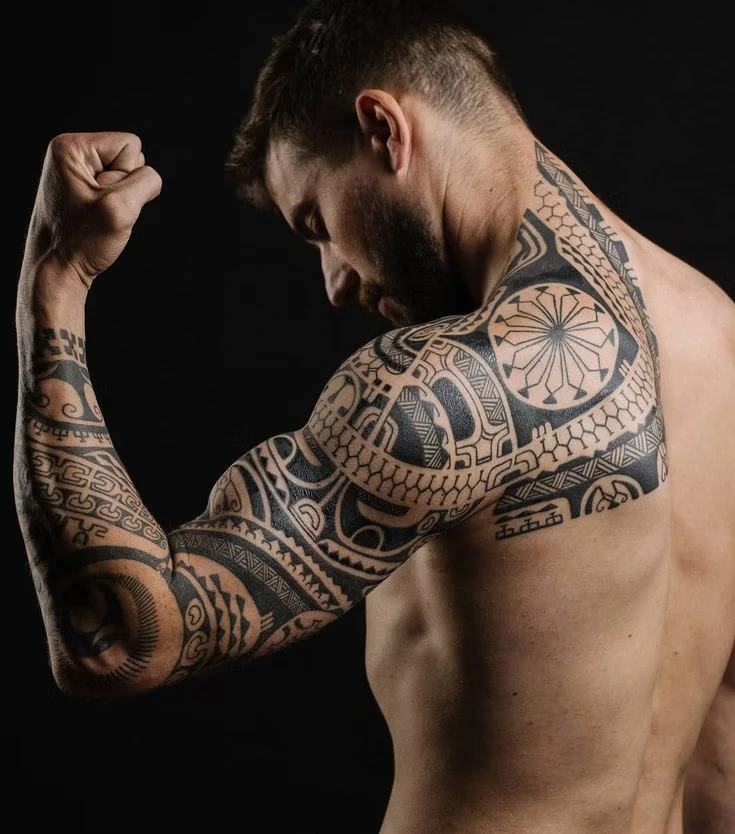
For those outside the Maori community who are drawn to the visual power of Maori art, kirituhi offers an alternative. Kirituhi means “skin inscription” and refers to Maori-inspired tattoo designs created specifically for non-Maori people by knowledgeable Maori artists. These designs draw on Maori artistic elements and visual language without claiming genealogical or cultural identity.
The distinction matters because it preserves the integrity of ta moko while allowing Maori artistic traditions to be shared in a respectful and consensual way. Many Maori tattoo artists offer kirituhi and are open about the difference — choosing one over the other is an act of informed respect. Essay providers like https://writepaper.com/buy-assignment support students by developing custom papers that align with course expectations and instructor guidelines.