
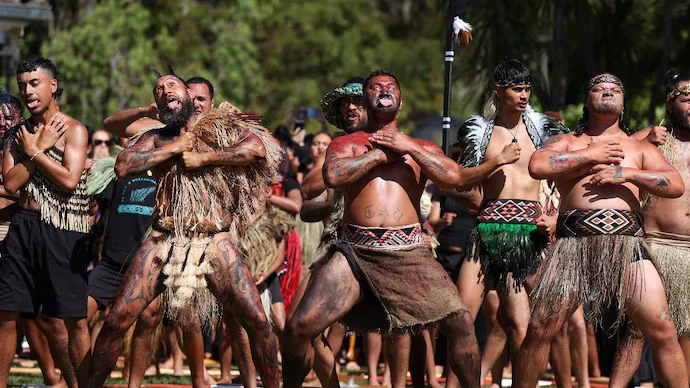
Haka is a ceremonial Maori performance combining fierce movement, powerful chanting, and rhythmic stomping. It is one of the most recognisable expressions of New Zealand culture and carries deep cultural, spiritual, and social significance for the Maori people. Far from being simply a war dance, haka serves many purposes across many contexts.
The word haka refers to any form of Maori song accompanied by movement, though it is most commonly associated with the vigorous, full-body performances that have become iconic worldwide. Each haka belongs to a specific tribe, occasion, or purpose — and performing one is an act of cultural identity, not entertainment.
The Origin of Haka
Haka traces its origins to Maori mythology, with many traditions attributing the first haka to Tane, the god of forests and humanity. According to legend, Tane created the first haka as a way to honor his mother, Papatuanuku, the earth. This origin story grounds haka in spiritual significance from the very beginning.
In practical terms, haka developed as a central part of Maori communal life long before European contact. Tribes used it to welcome allies, challenge enemies, celebrate births, mourn deaths, and mark major events. Every region and iwi (tribe) developed their own haka, with distinct words, movements, and meanings tied to local history and identity.
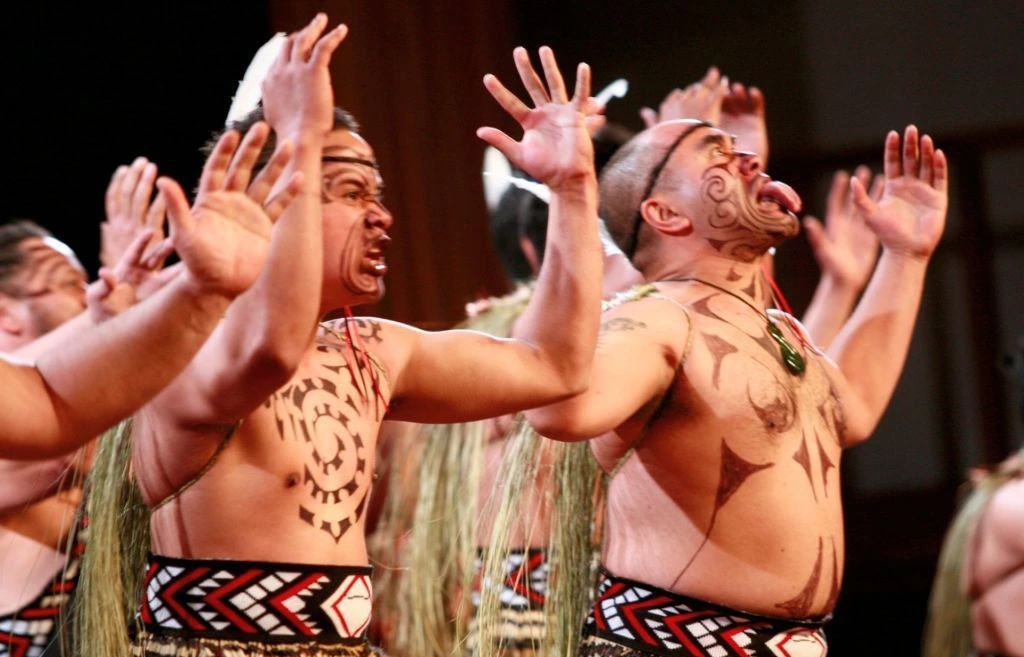
Types of Haka
Maori haka is not a single performance — it is a broad category with distinct forms, each serving a specific social function.
Peruperu
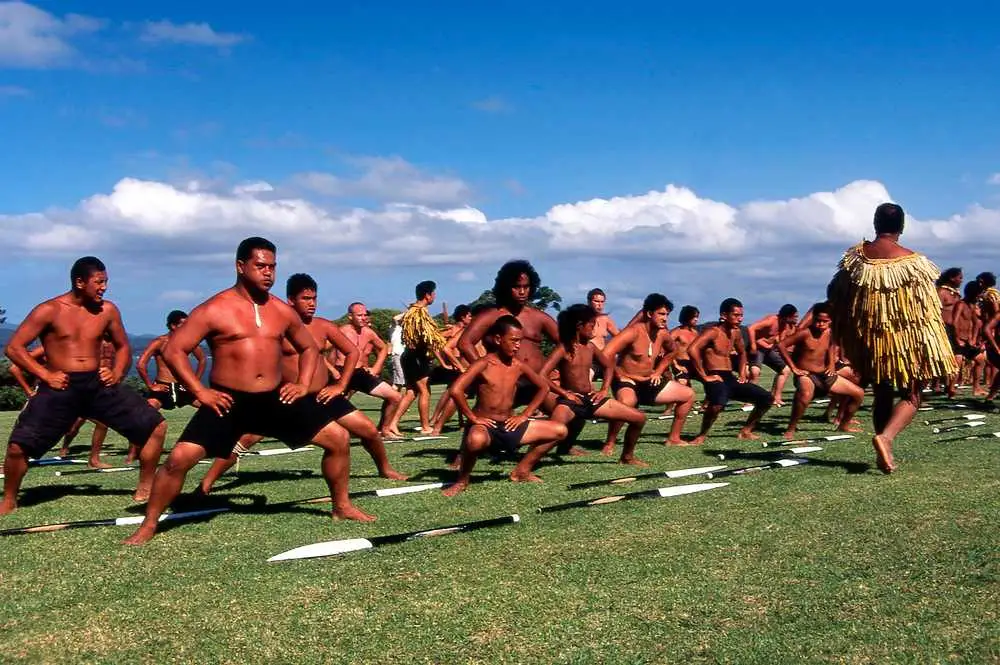
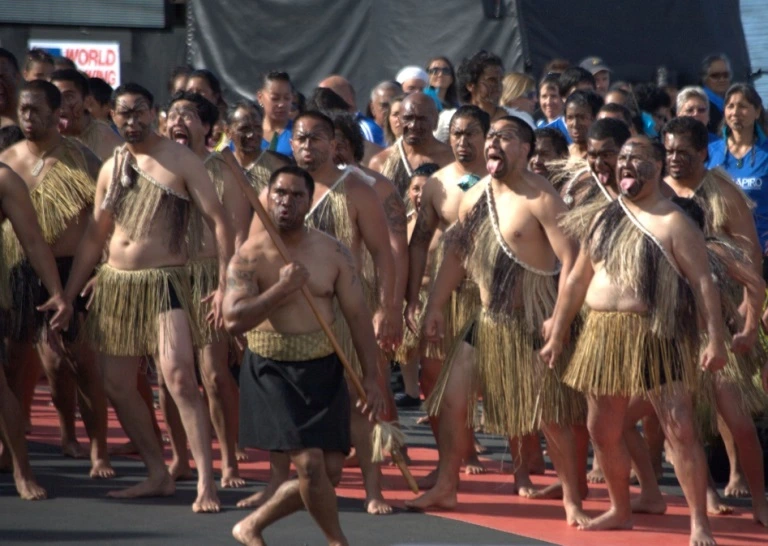
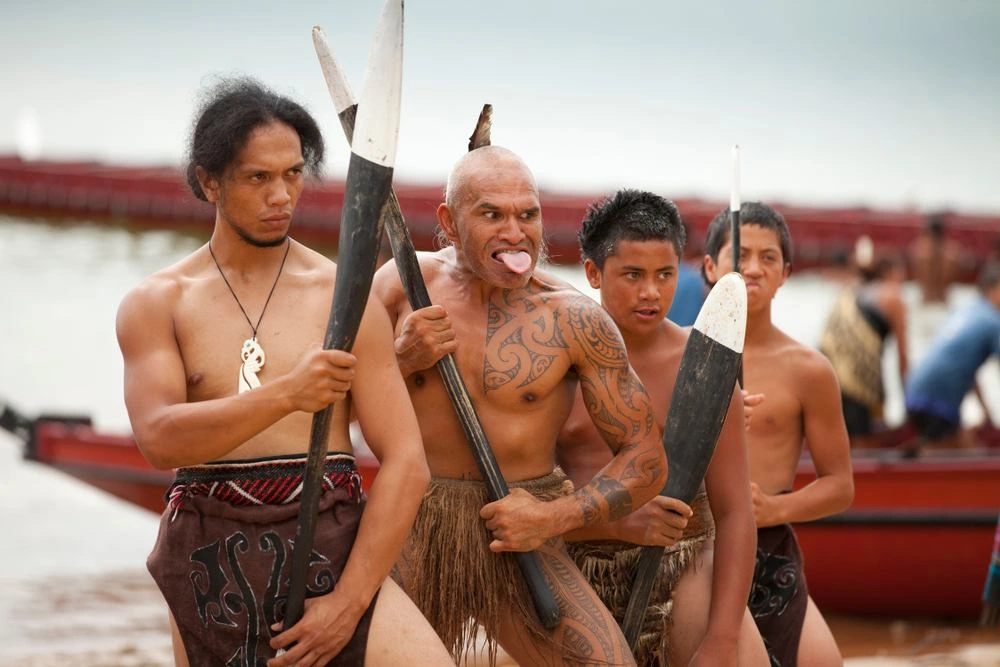
Peruperu is the most intense and traditionally warlike form of haka. Performers leap into the air with legs bent and crossed, combining vigorous stamping, tongue protrusion, and fierce facial expressions called pukana. This was historically performed before battle to intimidate opponents and invoke spiritual protection.
Haka Taparahi
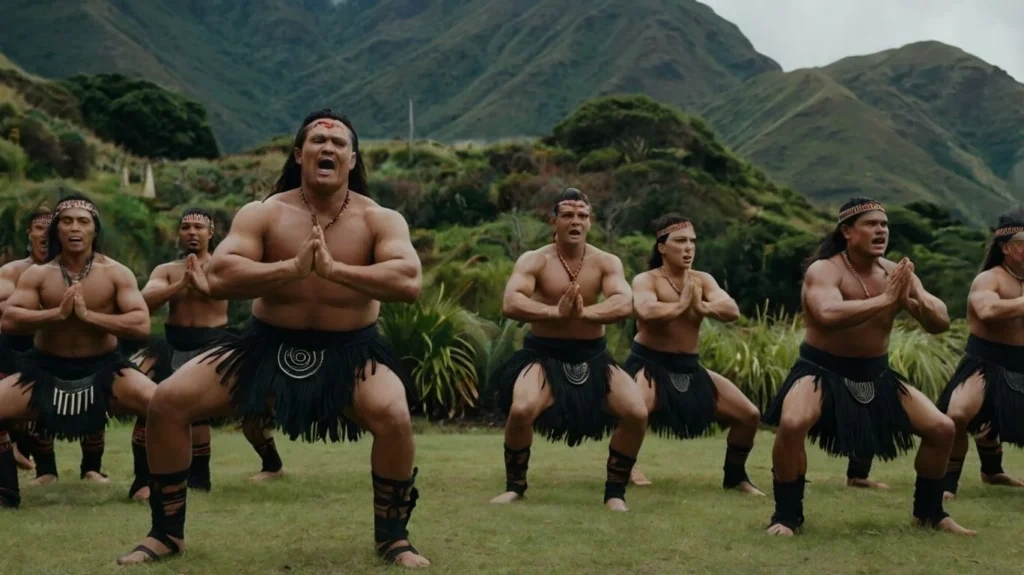
Haka taparahi is performed without weapons and focuses entirely on body movement and voice. This is the form most often seen at schools, sporting events, and cultural gatherings today, including the famous Ka Mate haka performed by the All Blacks rugby team. It is accessible to large groups and does not require military context.
Ngeri
Ngeri is a short, sharp haka with no set actions — performers are free to express themselves individually. It is used to inspire courage and raise energy before an important challenge or confrontation. The improvised nature makes it highly personal and emotionally charged.
Why Haka Still Matters Today
Haka is performed across New Zealand at graduations, funerals, weddings, sports events, and state occasions. When performed at a funeral or tangi, it expresses grief and honours the deceased. When performed at a wedding, it celebrates the union. When performed before a rugby match, it asserts identity and collective strength.
The most globally recognised haka is Ka Mate, composed by the Ngati Toa chief Te Rauparaha in the early 19th century. It tells the story of his escape from enemies and his celebration of survival. Every time the All Blacks perform it before a match, they carry that story with them.
Understanding haka means understanding that it is never casual. It demands full commitment from everyone involved — voice, body, breath, and intention. When someone performs haka, they are not simply moving to music. They are speaking with their ancestors, asserting their identity, and communicating to the world who they are. Essay writing services like https://essaypro.com/scholarship-essay-writing-service support academic progress by delivering papers that combine organized arguments with accurate analysis.